Unwanted pests like ants and fruit flies can quickly take over a home if left unchecked. Knowing what attracts them and how to respond early can help stop infestations before they grow, using simple methods and common household items.
Finding ants in the kitchen or fruit flies hovering near the sink can be frustrating. These pests are often drawn indoors by food, moisture, and easy access points. While infestations can develop quickly, there are straightforward ways to identify the problem, remove the pests, and prevent them from returning.
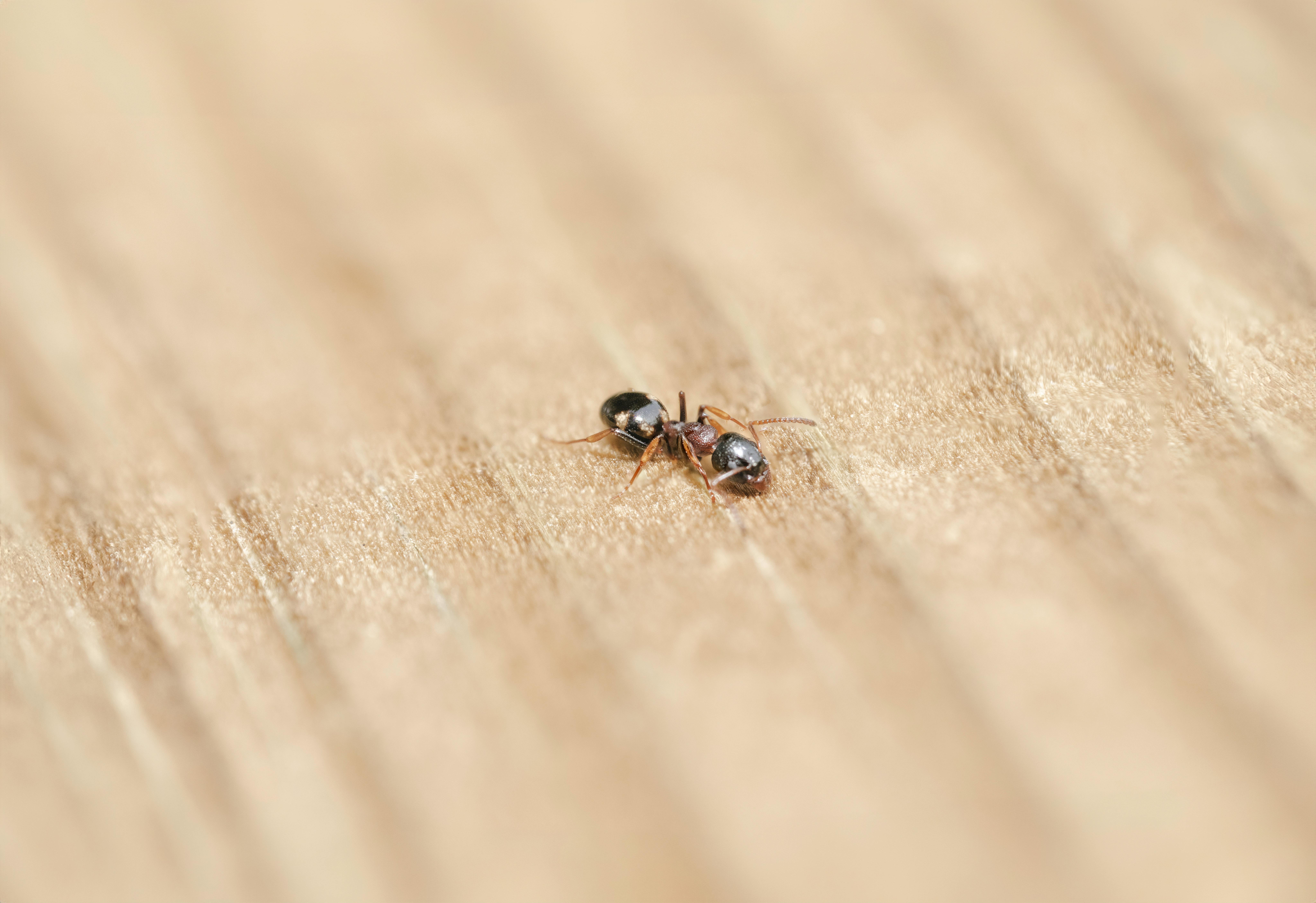
The first step in dealing with ants is you are dealing with. Different species are attracted to different conditions, which can help explain why they have entered your home.
Sugar ants are among the most common. These small brown or black ants are drawn to sweet foods and are often found in kitchens or pantries where sugary items are left exposed.
Citronella ants are another variety. They are typically light yellow to reddish brown and release a distinct odor when crushed. They’re light yellow to reddish brown and their presence can mean moisture issues, found around the exterior foundation of homes.
Pavement ants are dark brown or black and typically nest under sidewalks or driveways. They often enter homes through cracks in walls or floors.
Carpenter ants are larger and can indicate structural concerns. Although they chew wood, they do not eat it. Instead, they hollow it out to create nesting spaces.
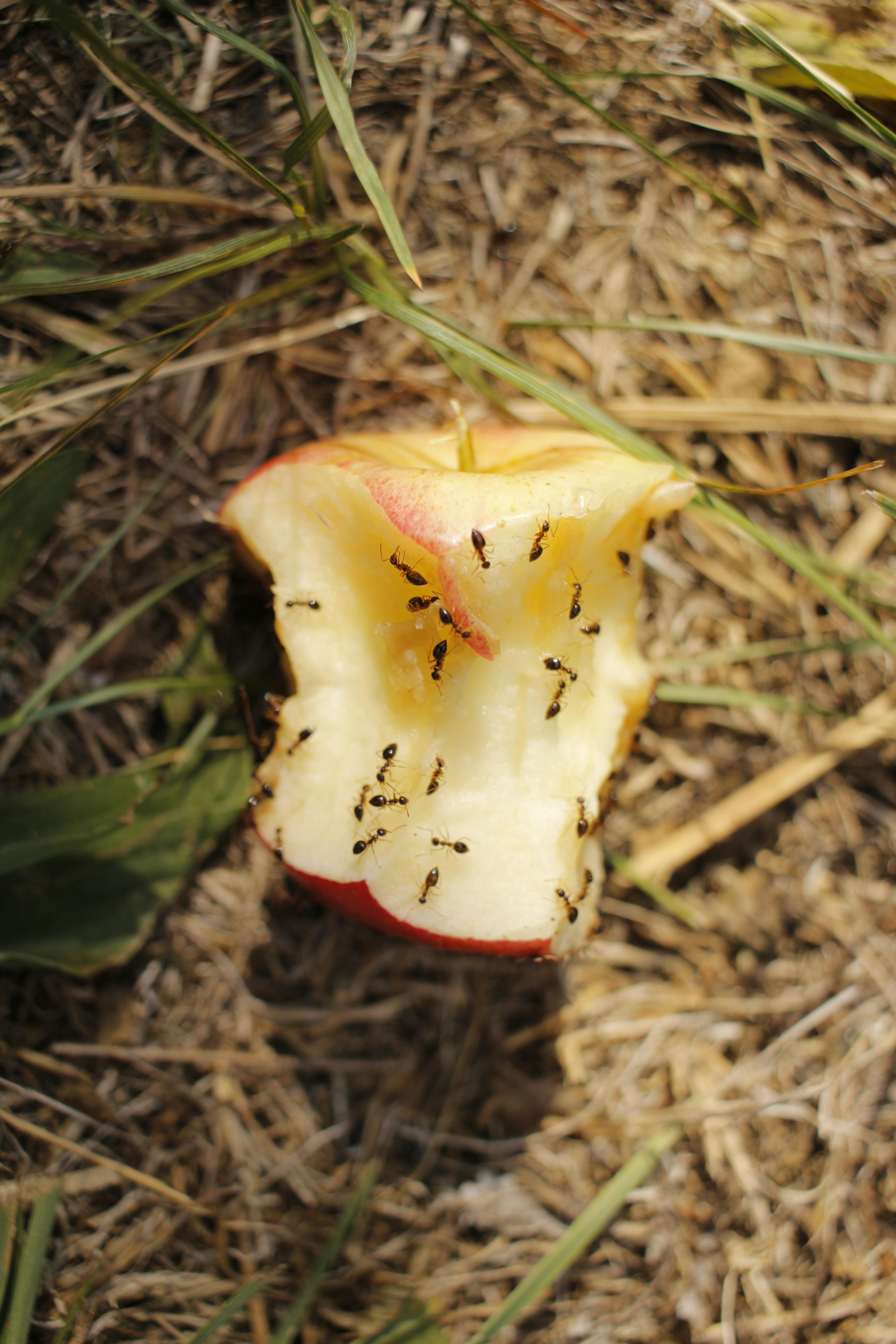
Once ants have entered your home, the problem is unlikely to resolve on its own. is key to preventing a larger infestation.
Sealing cracks and entry points is one of the most effective first steps. Ants can enter through very small openings, so inspecting doors, windows, and walls is essential.
Using bait traps can also help eliminate the colony. Unlike sprays that kill ants on contact, bait traps allow worker ants to carry the substance back to their nest. This increases the chances of eliminating the entire colony rather than just the visible ants.
Maintaining cleanliness is equally important. This is especially true for sugar ants, which are drawn to food residue. Keeping food stored in airtight containers and regularly cleaning surfaces can reduce their food supply.
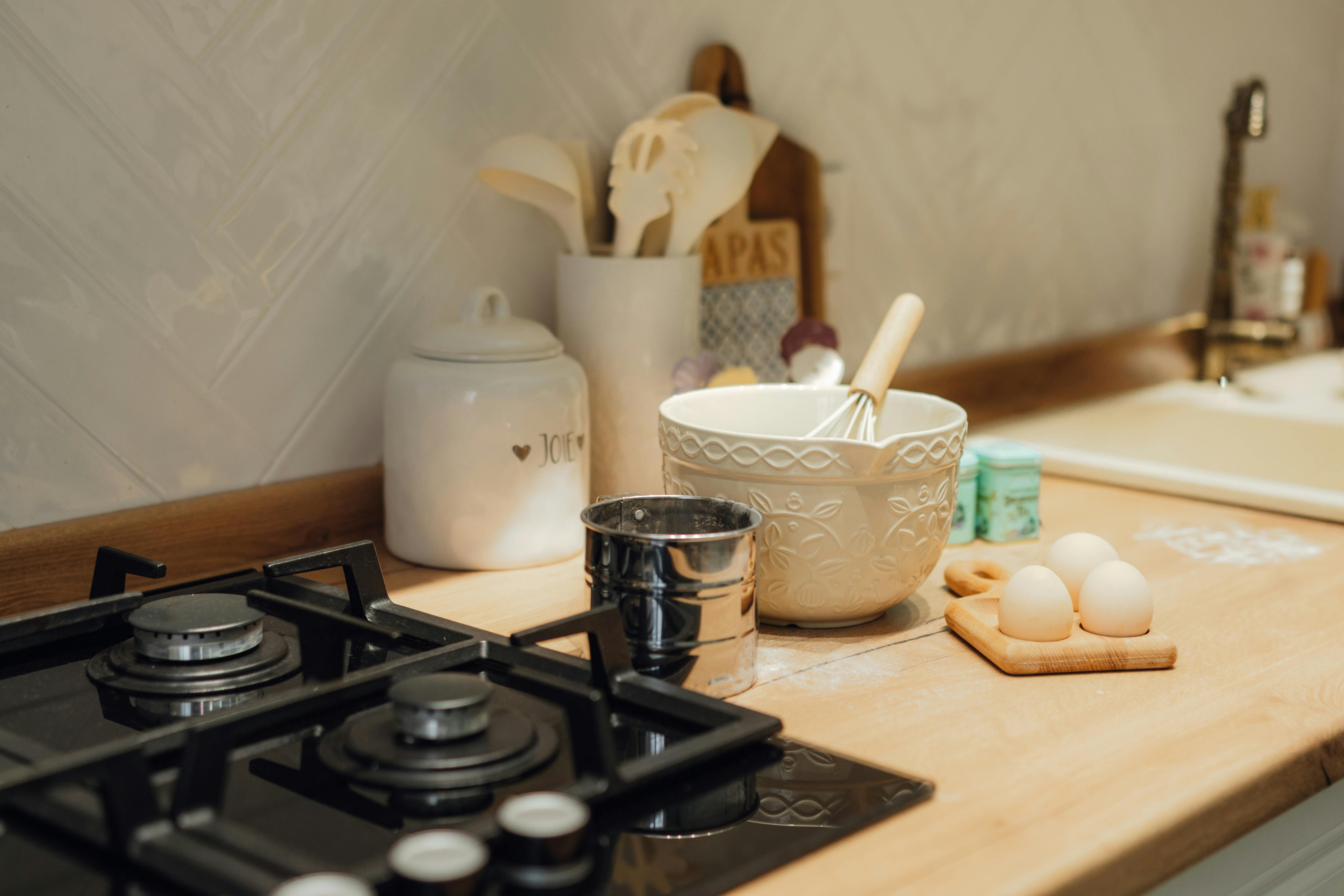
Several can help repel ants using items commonly found at home.
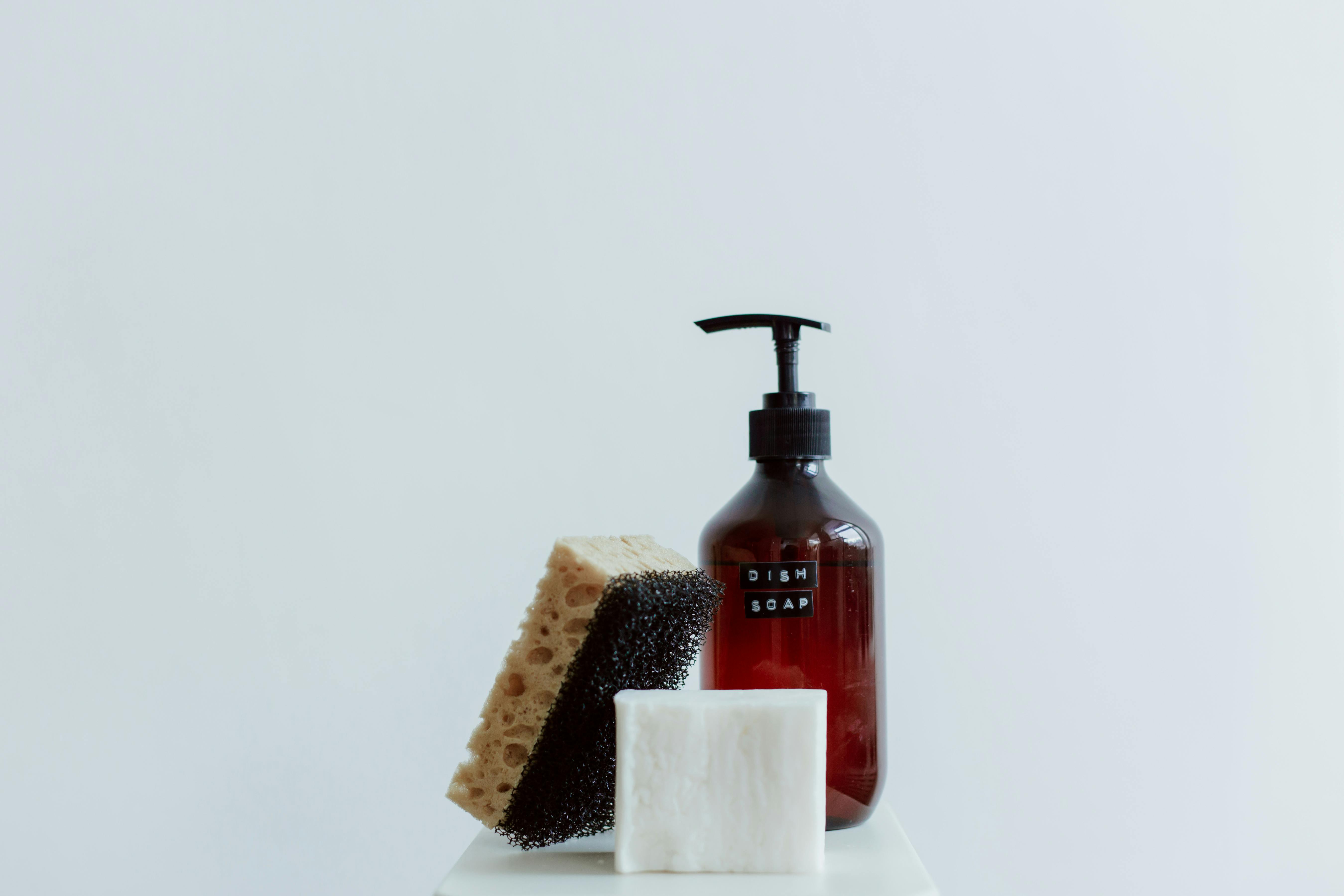
A dish soap solution can be made by mixing 10 percent dish soap with 90 percent water in a spray bottle. Spraying this mixture directly on ants can help remove them quickly.
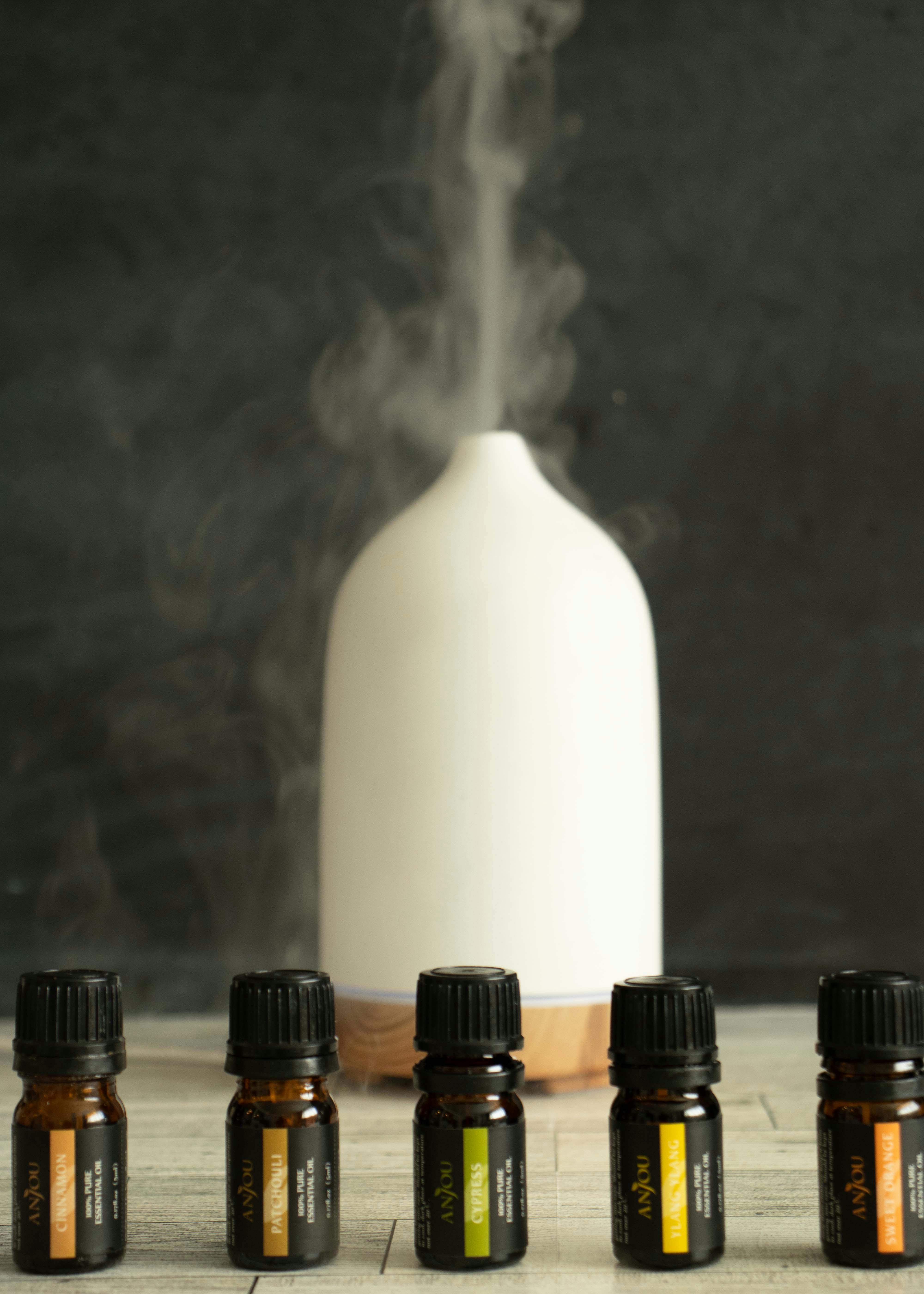
Essential oil sprays are another option. Mixing 10 drops of peppermint, thyme, or citrus oil with one cup of water creates a solution that can be sprayed on surfaces where ants are frequently seen.
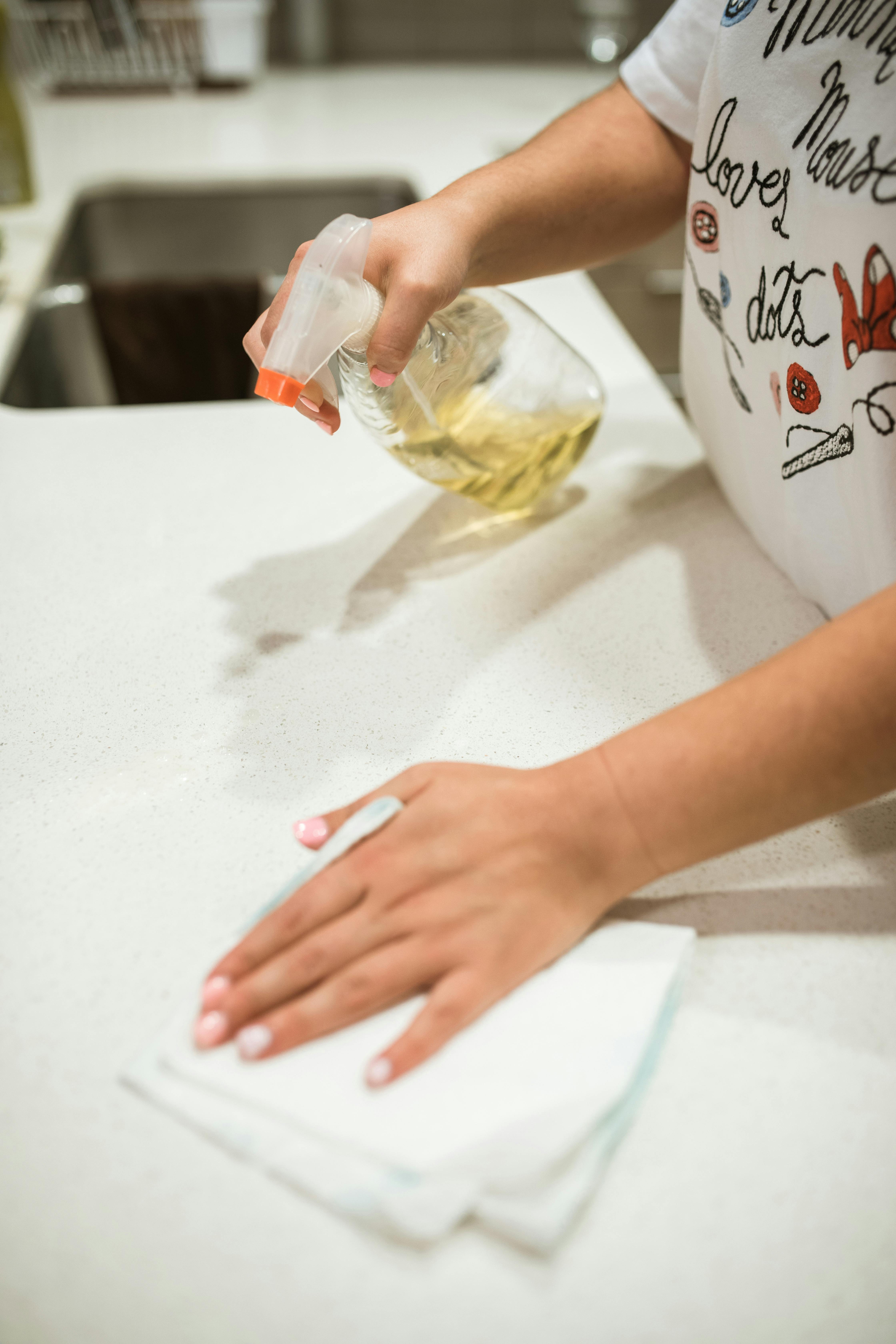
White vinegar is also commonly used. Mixing equal parts vinegar and water creates a spray that can repel ants when applied to surfaces. However, it should not be used on natural stone, as it can cause damage.
Once the infestation is under control, prevention becomes the priority.
is one of the most effective strategies. Cleaning up spills, storing food properly, and avoiding leaving items out can make your home less attractive to ants.
Landscaping can also play a role. Adding rocks or pebbles around the exterior of a home may deter ants that prefer not to cross such barriers.
Regular cleaning is essential. Wiping down countertops, sweeping floors, and removing crumbs can help prevent ants from finding food sources inside.
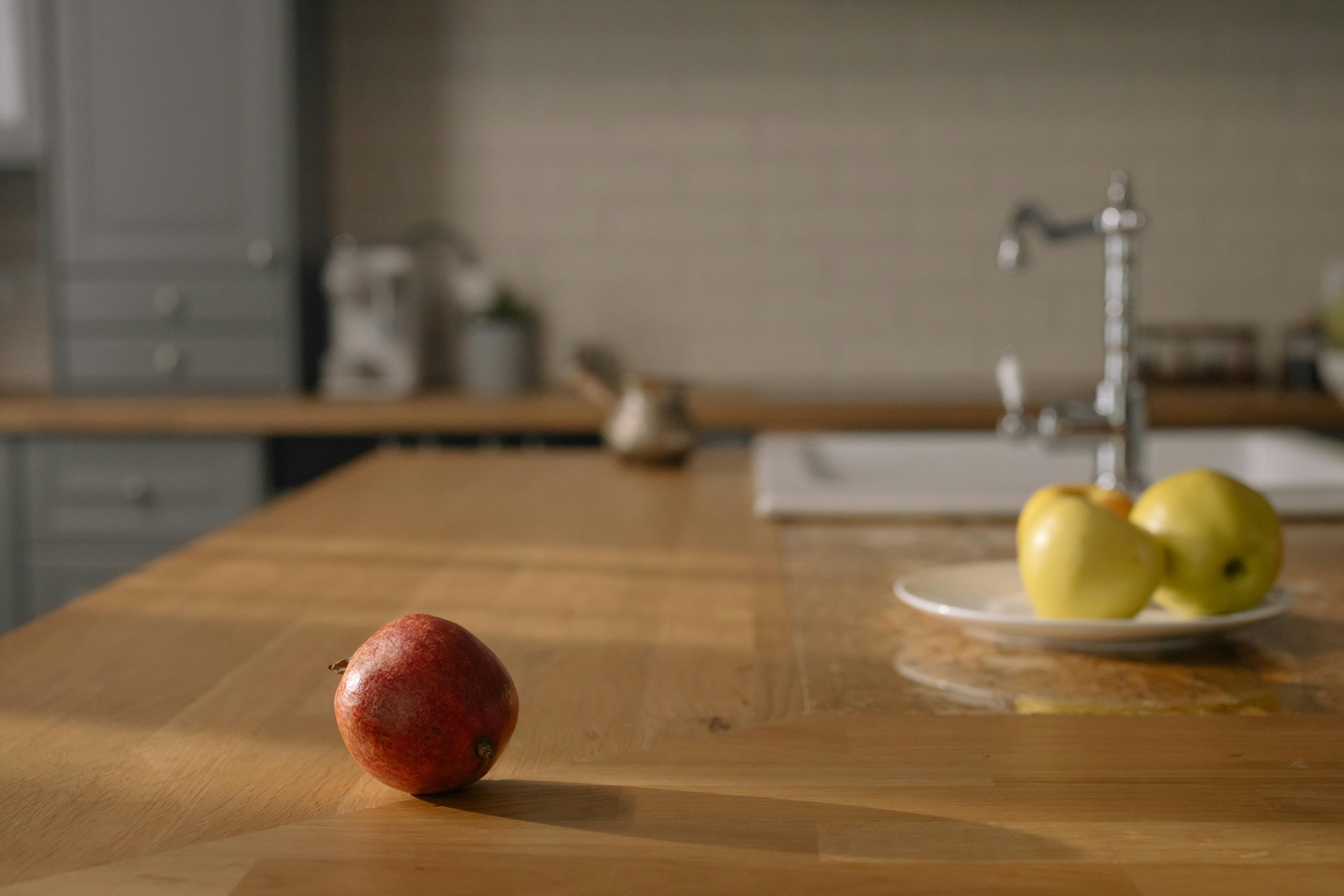
Fruit flies are another common household pest, particularly in kitchens. They are , as well as fermented items such as beer, wine, and liquor.They are also commonly drawn towards overripe or rotting fruits and vegetables, fermented beverages, garbage and food waste.
Because female fruit flies can lay hundreds of eggs on overripe produce, infestations can grow quickly if not addressed.
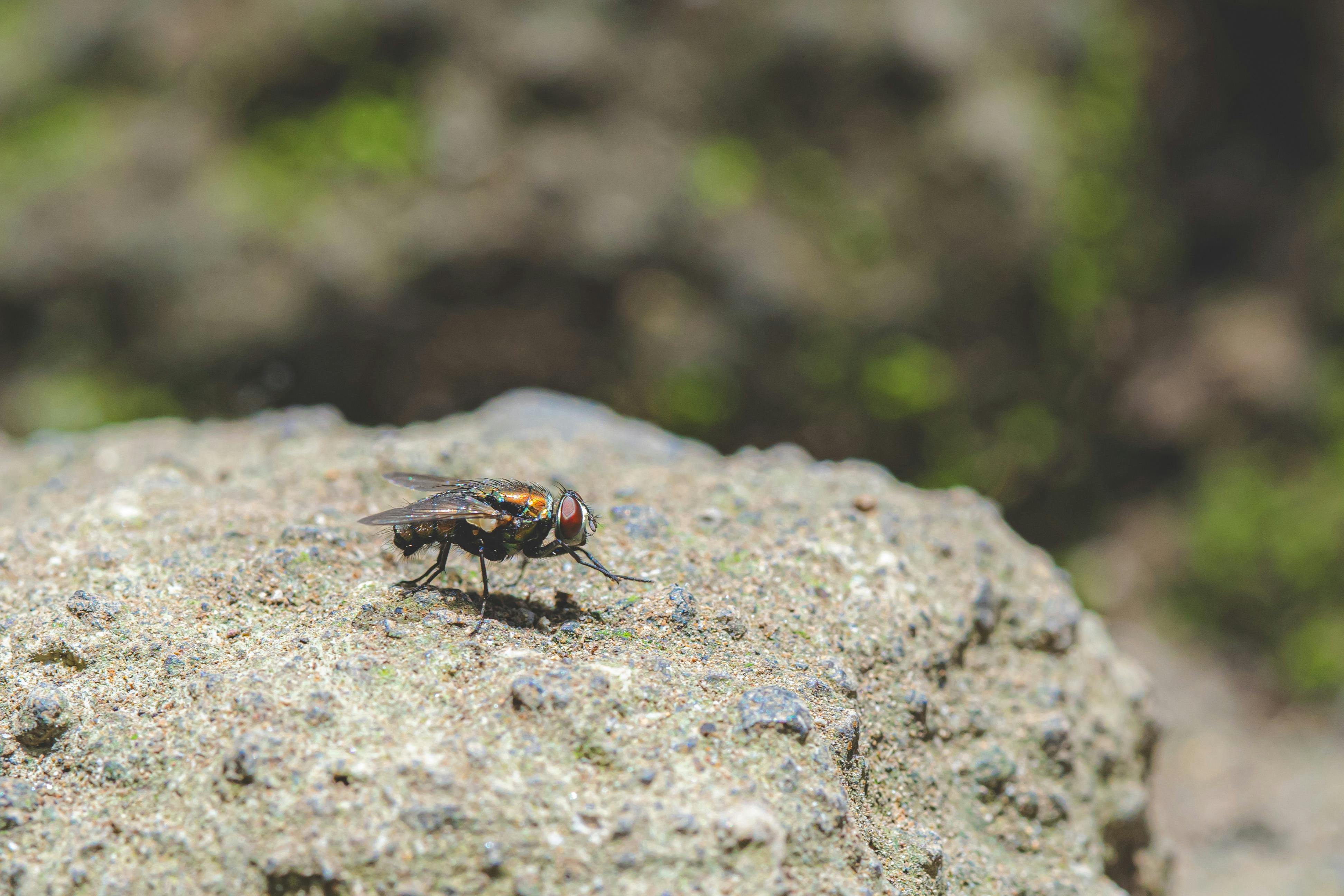
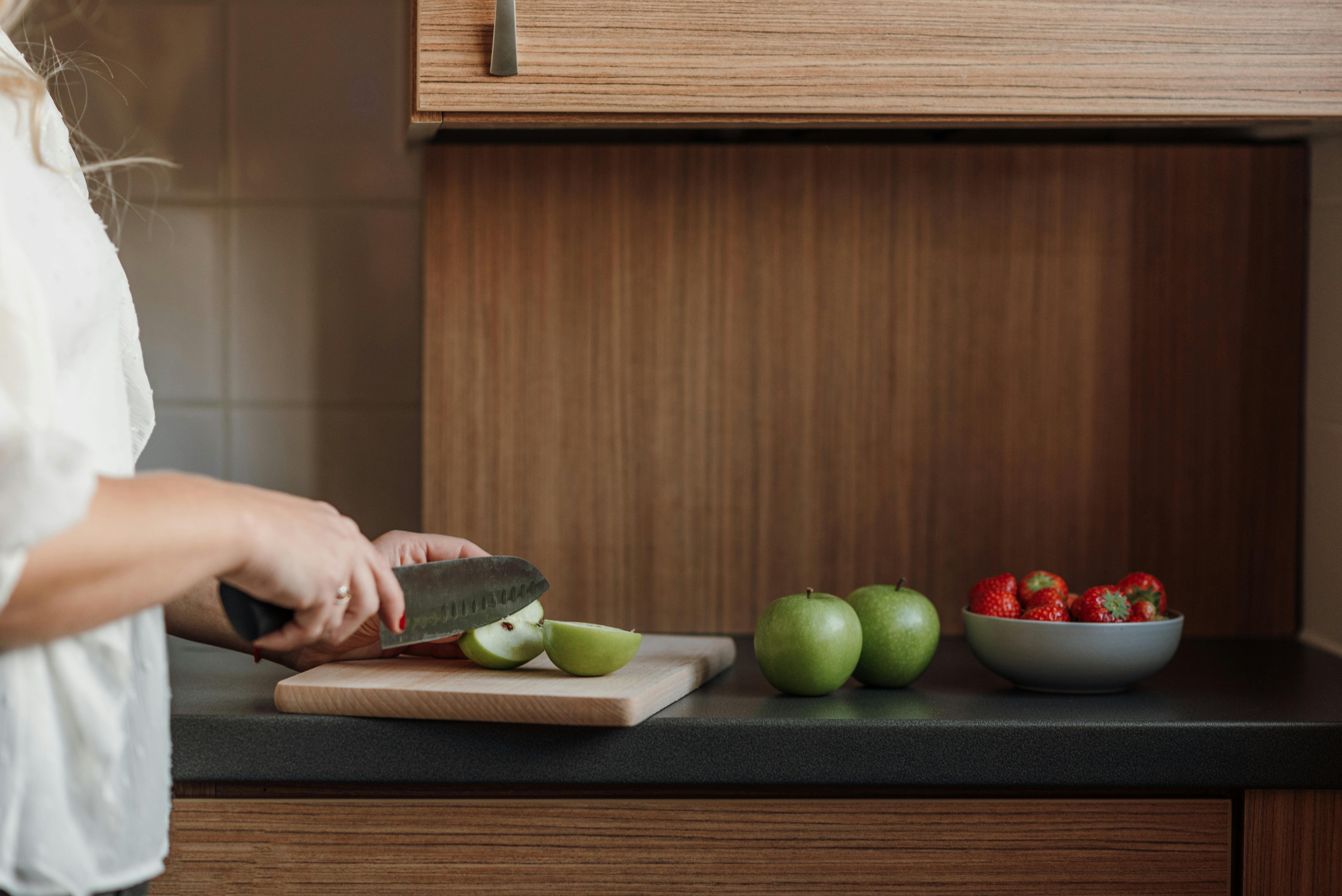
Preventing fruit flies starts with limiting what attracts them. Regularly disposing of overripe produce can reduce breeding opportunities. Storing fruits and vegetables in the refrigerator can also help, especially in warmer environments.
Washing produce as soon as it is brought home may remove any eggs or larvae that are already present.
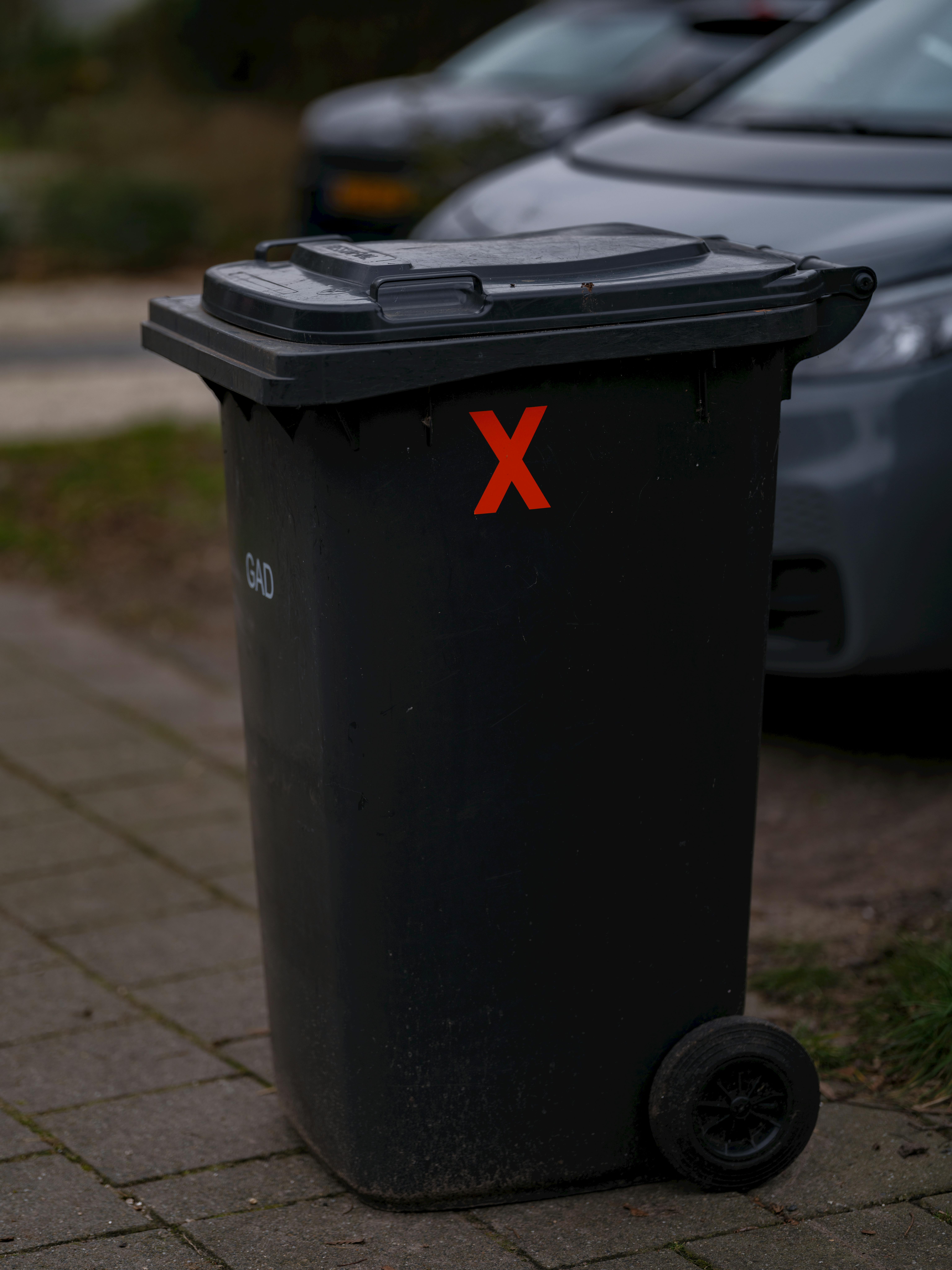
Taking out the garbage frequently and keeping trash bins clean is Food residue in garbage cans can attract fruit flies even if the rest of the kitchen is clean.
Cleaning spills immediately, especially those involving fruit juice or alcohol, can further reduce the chances of attracting these pests.
Both ants and fruit flies are drawn to similar conditions, including accessible food and moisture. Addressing these factors can help control current infestations and prevent new ones.
Simple actions such as sealing entry points, and using targeted solutions can make a significant difference. These methods rely on consistency rather than complexity, making them practical for everyday use.
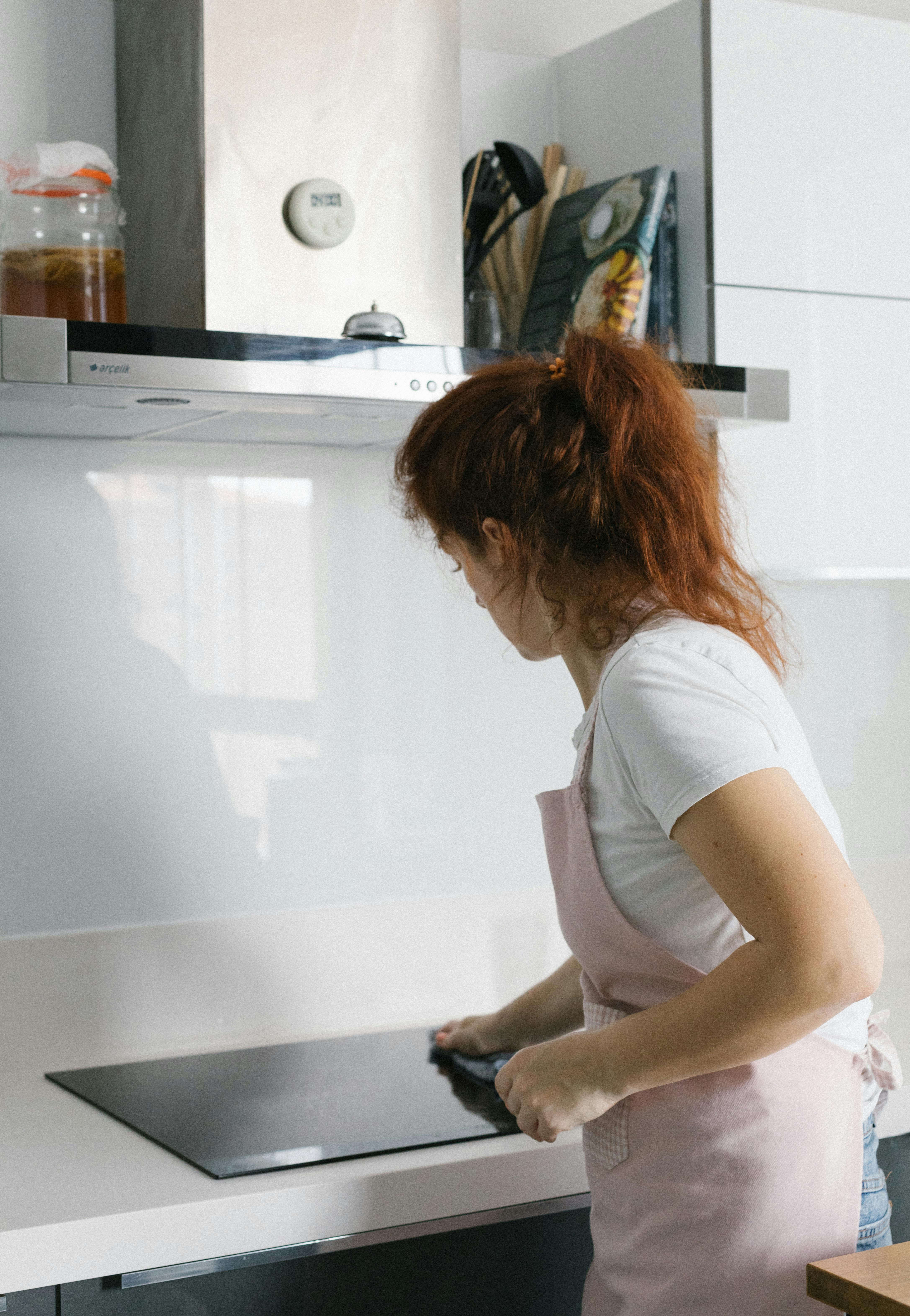
Dealing with pests does not always require extensive measures. Identifying the problem, removing immediate threats, and maintaining a clean environment can go a long way in keeping your home free of ants and fruit flies.
With the right approach, these common household nuisances can be managed effectively using simple tools and habits already within reach.